
Top 校舍工程 Trends: Innovative Solutions for Modern Schools


Introduction to Modern School Infrastructure
The landscape of school construction, known as 校舍工程 in Chinese, is rapidly evolving. The demand for innovative solutions that cater to the needs of modern education is more pressing than ever. Schools are no longer just buildings; they are dynamic environments that foster learning, creativity, and collaboration.
In this blog post, we will explore the top trends in school construction, focusing on how these innovations are reshaping educational spaces worldwide. From sustainable materials to technology integration, the future of school infrastructure is both exciting and promising.
Sustainable Building Materials
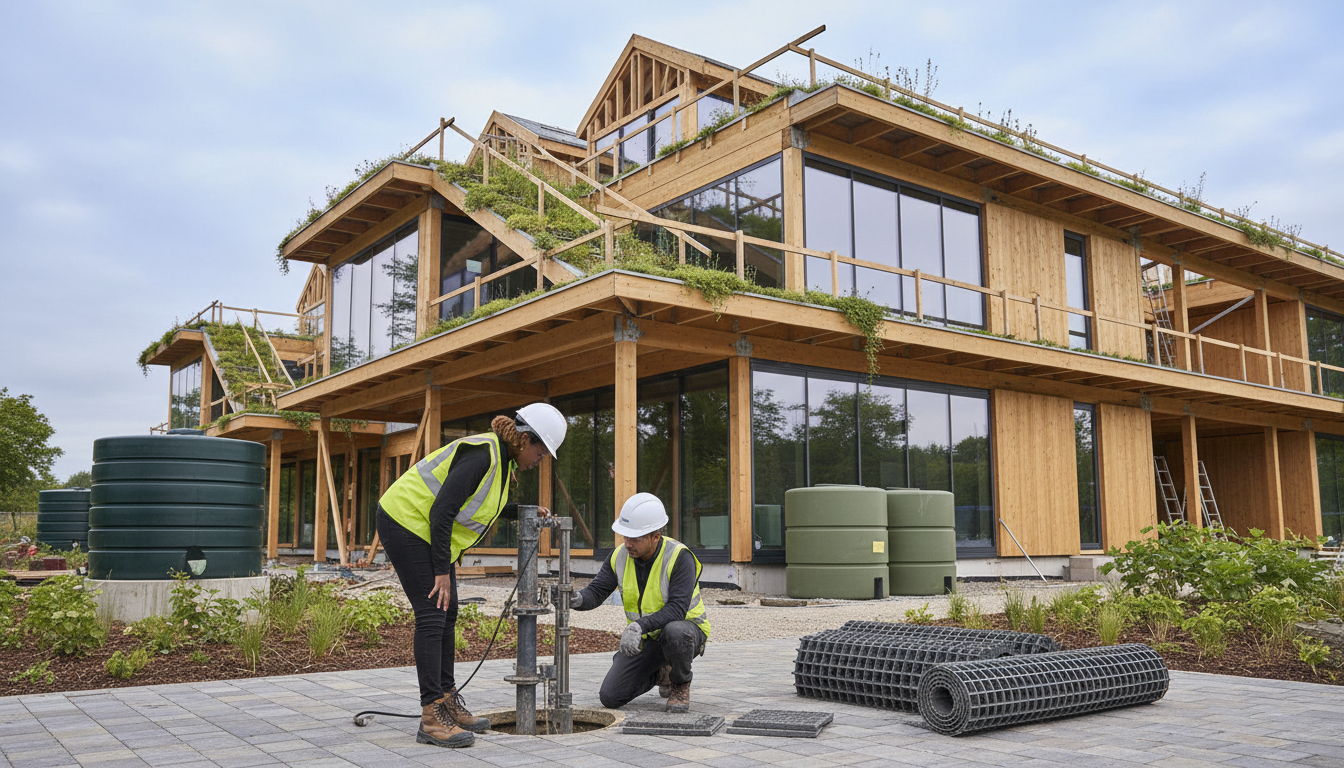
One of the most significant trends in school construction is the use of sustainable building materials. These materials not only reduce the carbon footprint but also promote a healthier learning environment. Schools are increasingly opting for materials like bamboo, recycled steel, and reclaimed wood.
The benefits of using sustainable materials include improved air quality, energy efficiency, and reduced waste. As more schools adopt these practices, the impact on the environment and students' well-being is expected to be substantial.
Green Building Certifications
Achieving certifications such as LEED (Leadership in Energy and Environmental Design) has become a priority for many educational institutions. These certifications provide a framework for designing and constructing schools that prioritize sustainability and efficiency.
Technology Integration in School Design
With the advent of digital learning, integrating technology into school design has become essential. Smart classrooms equipped with interactive boards, high-speed internet, and digital learning tools are becoming the norm. This technology integration enhances student engagement and facilitates personalized learning experiences.
Moreover, schools are incorporating advanced security systems, including facial recognition and automated access controls, to ensure a safe learning environment.
Flexible Learning Spaces
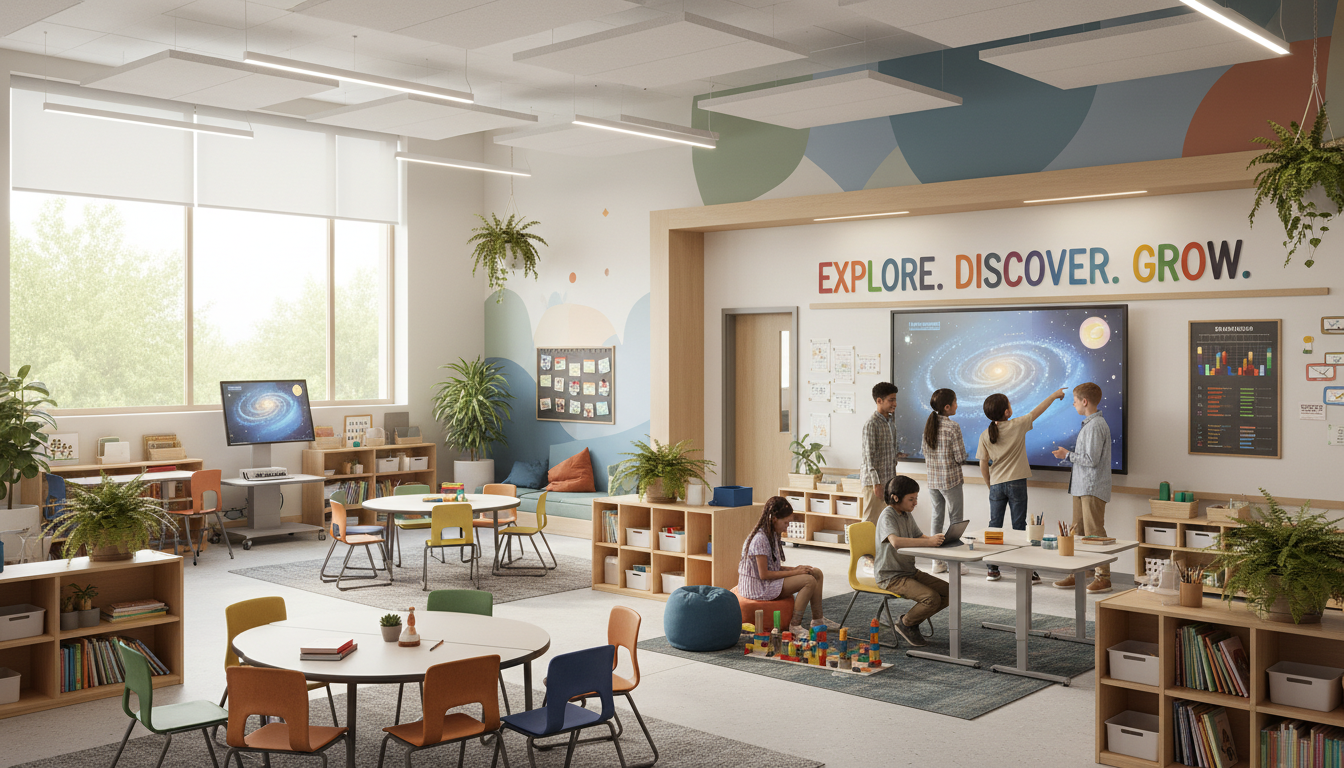
Modern schools are adopting flexible learning spaces that can be easily reconfigured to suit different teaching methodologies. Movable walls, modular furniture, and adaptable layouts allow for a more dynamic and interactive learning experience.
Focus on Health and Wellness
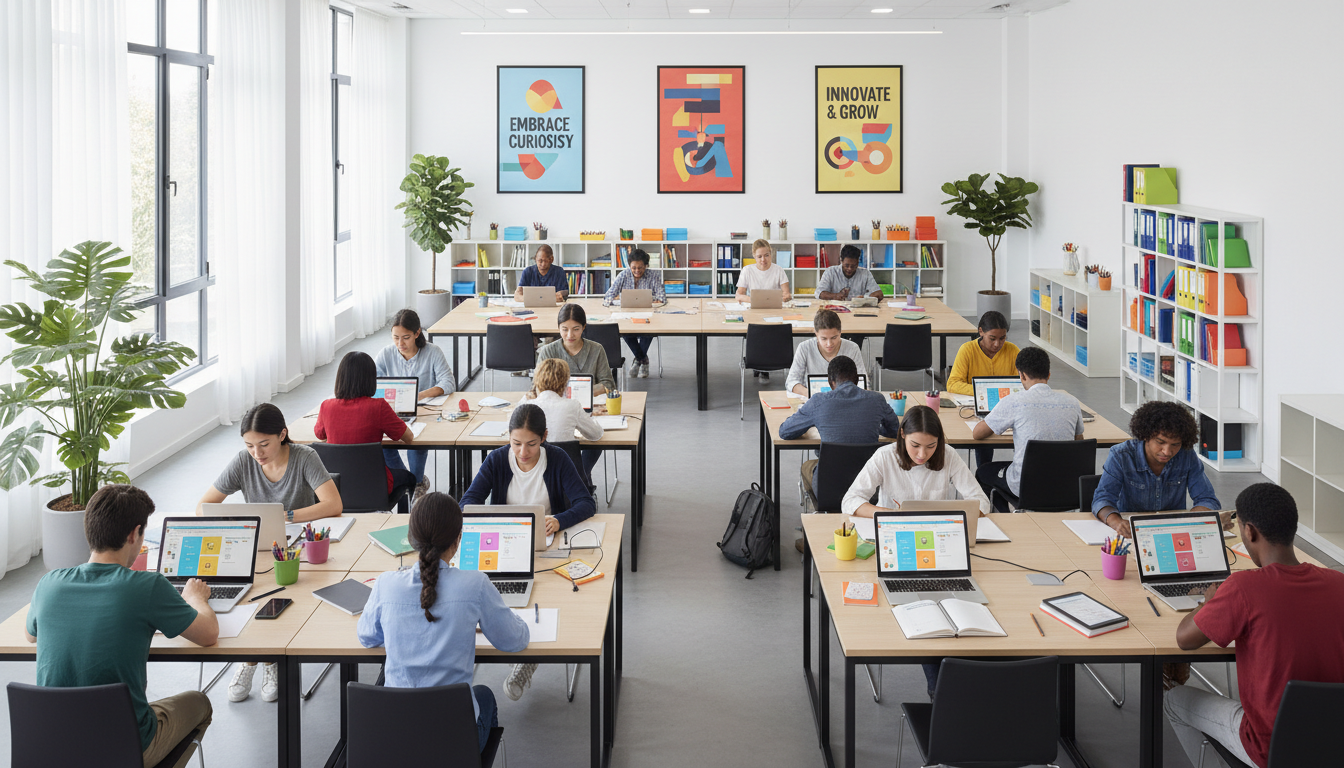
Health and wellness have become central themes in school construction. Natural lighting, proper ventilation, and ergonomic furniture are key components that contribute to a healthy learning environment. Schools are also incorporating outdoor learning spaces to promote physical activity and a connection with nature.
These design elements not only enhance student well-being but also improve concentration and academic performance.
Biophilic Design Elements
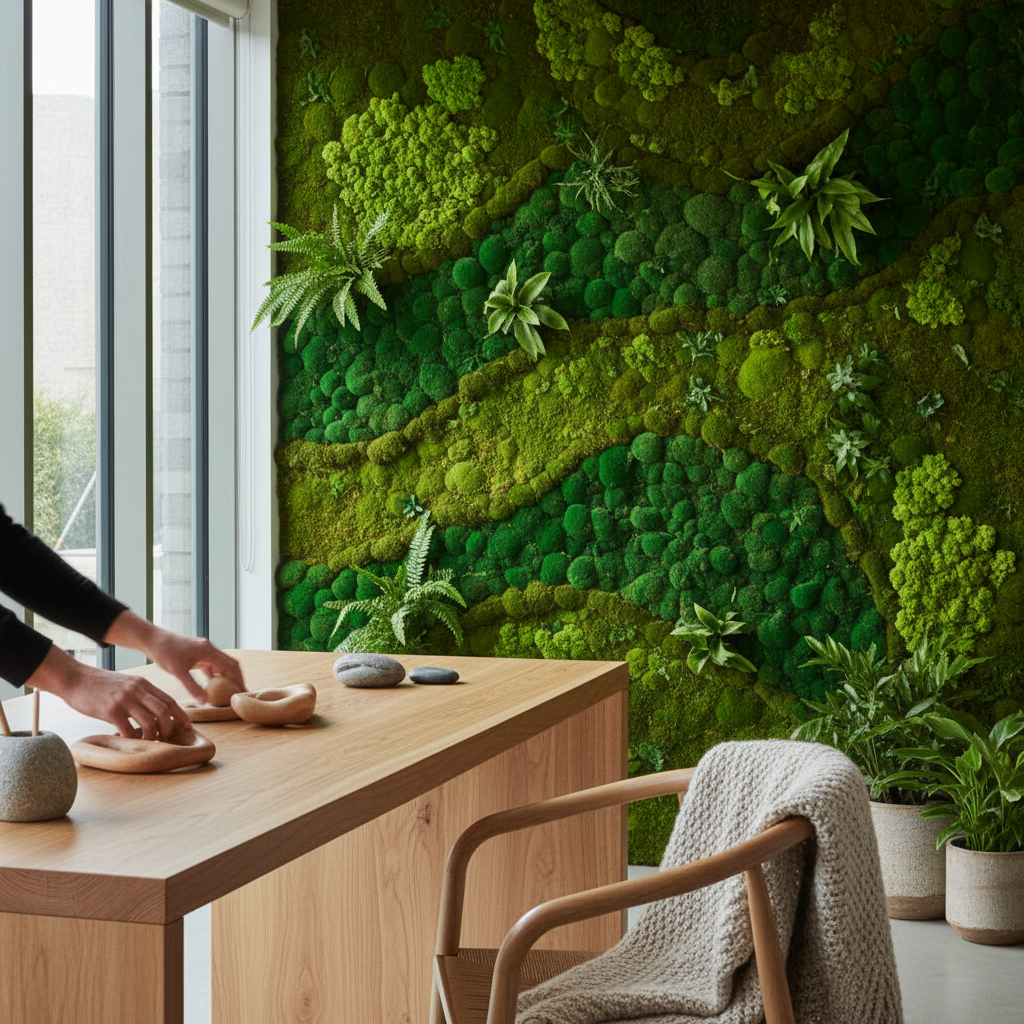
Biophilic design, which emphasizes the connection between humans and nature, is gaining popularity in school architecture. Incorporating elements such as indoor plants, green walls, and natural textures can significantly enhance the aesthetic and functional aspects of school environments.
Conclusion
The trends in 校舍工程 are transforming the way schools are built and operated. By embracing sustainable practices, integrating technology, and focusing on health and wellness, educational institutions are creating environments that inspire and nurture the next generation of learners.
As these innovations continue to develop, they promise to redefine the educational landscape, making schools more adaptable, efficient, and conducive to learning.