
Innovative Trends in 校舍工程: Modern Solutions for Hong Kong Schools


Introduction
As schools in Hong Kong continue to evolve, the design and construction of educational facilities, or 校舍工程, play a crucial role in supporting modern learning environments. Embracing innovative trends is essential to meet the diverse needs of students, educators, and communities.
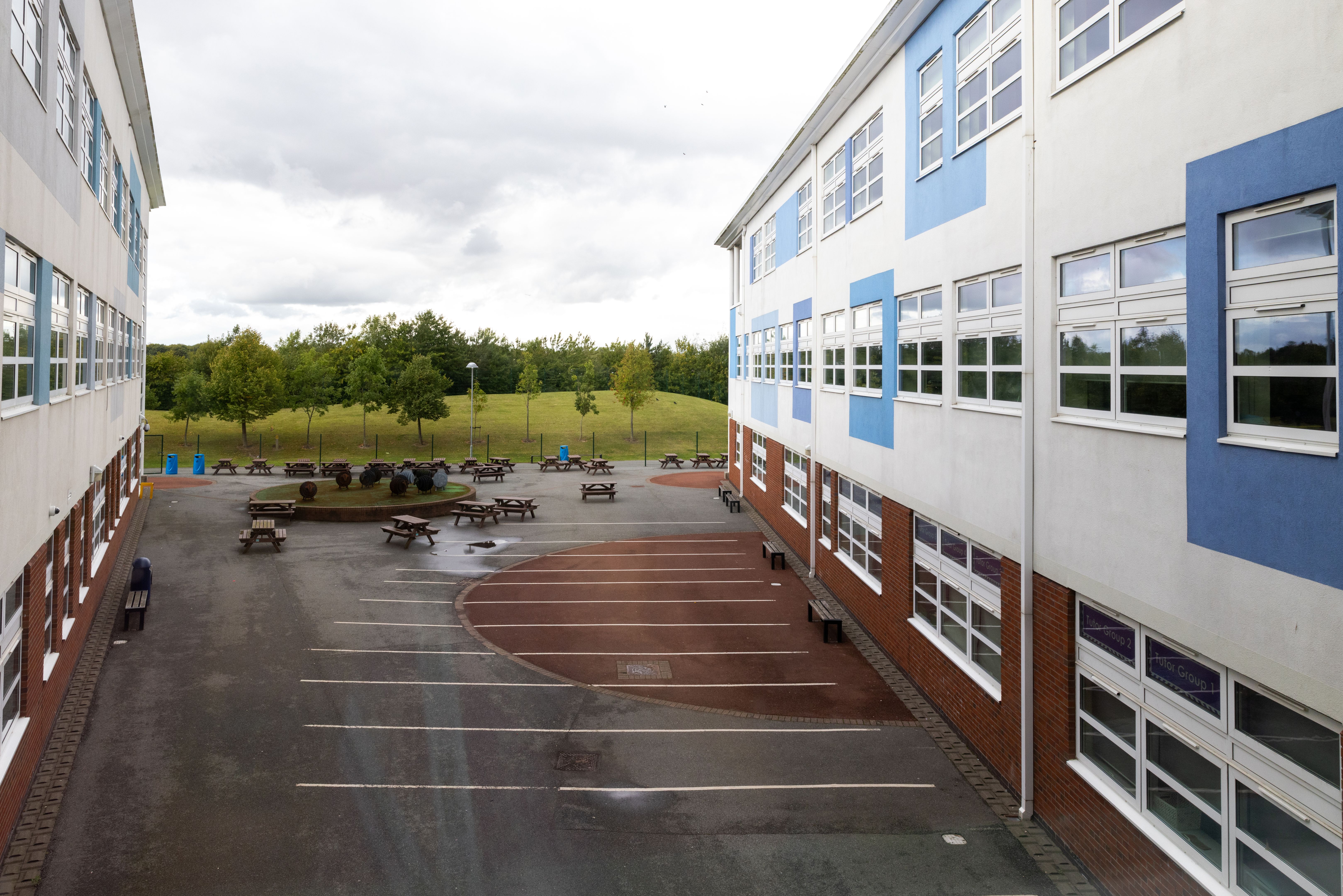
Flexible Learning Spaces
The traditional classroom model is gradually being replaced by flexible learning spaces that can be easily reconfigured. These spaces encourage a more collaborative and interactive learning experience, facilitating group projects and discussions. Modern schools are incorporating movable furniture and walls to adapt to different teaching styles and activities.
Benefits of Flexibility
Flexible learning environments foster creativity and critical thinking by allowing students to engage in various learning formats. This adaptability also supports teachers in delivering personalized instruction, catering to diverse learning needs.

Sustainability and Eco-Friendly Design
Incorporating sustainable practices in school construction is becoming increasingly important. By using eco-friendly materials and energy-efficient systems, schools can reduce their carbon footprint and promote environmental awareness among students.
Green Building Features
Some innovative features include solar panels, rainwater harvesting systems, and green roofs. These elements not only contribute to sustainability but also offer educational opportunities, allowing students to learn about renewable energy and environmental conservation firsthand.

Technology Integration
Technology plays a pivotal role in modern education, and its integration into school infrastructure is essential. From smart classrooms equipped with interactive whiteboards to advanced IT infrastructure, technology enhances the learning experience and prepares students for a digital future.
Smart Classroom Features
Smart classrooms are equipped with tools like high-speed internet, digital projectors, and audio-visual equipment. These features enable a more engaging and dynamic learning environment, supporting diverse teaching methods and learning styles.

Community-Centric Design
Modern school architecture also focuses on creating spaces that serve the community. By including facilities such as auditoriums, sports centers, and multipurpose halls, schools become valuable community resources. These spaces can host events and activities beyond school hours, fostering a sense of community engagement and collaboration.
Benefits for the Community
Community-centric designs encourage partnerships between schools and local organizations, providing additional resources and opportunities for students. This collaboration enriches the educational experience and strengthens community bonds.

Conclusion
Innovative trends in 校舍工程 are transforming the way schools in Hong Kong are designed and constructed. By embracing flexibility, sustainability, technology, and community-centric designs, educational institutions can create dynamic, engaging, and future-ready environments. These modern solutions not only enhance the learning experience but also contribute to the overall well-being and development of students and the community.