
Expert Tips for Maintaining Ceiling Fans in Humid Climates


Understanding the Impact of Humidity on Ceiling Fans
Ceiling fans are a staple in many homes, especially in areas with humid climates. However, humidity can affect their performance and longevity. Understanding how moisture impacts your ceiling fan is the first step to ensuring it runs efficiently.
Humidity can cause metal parts to rust and wood parts to warp. This can lead to imbalanced blades, noisy operation, or even motor failure. Knowing these potential issues helps in taking preventive measures.
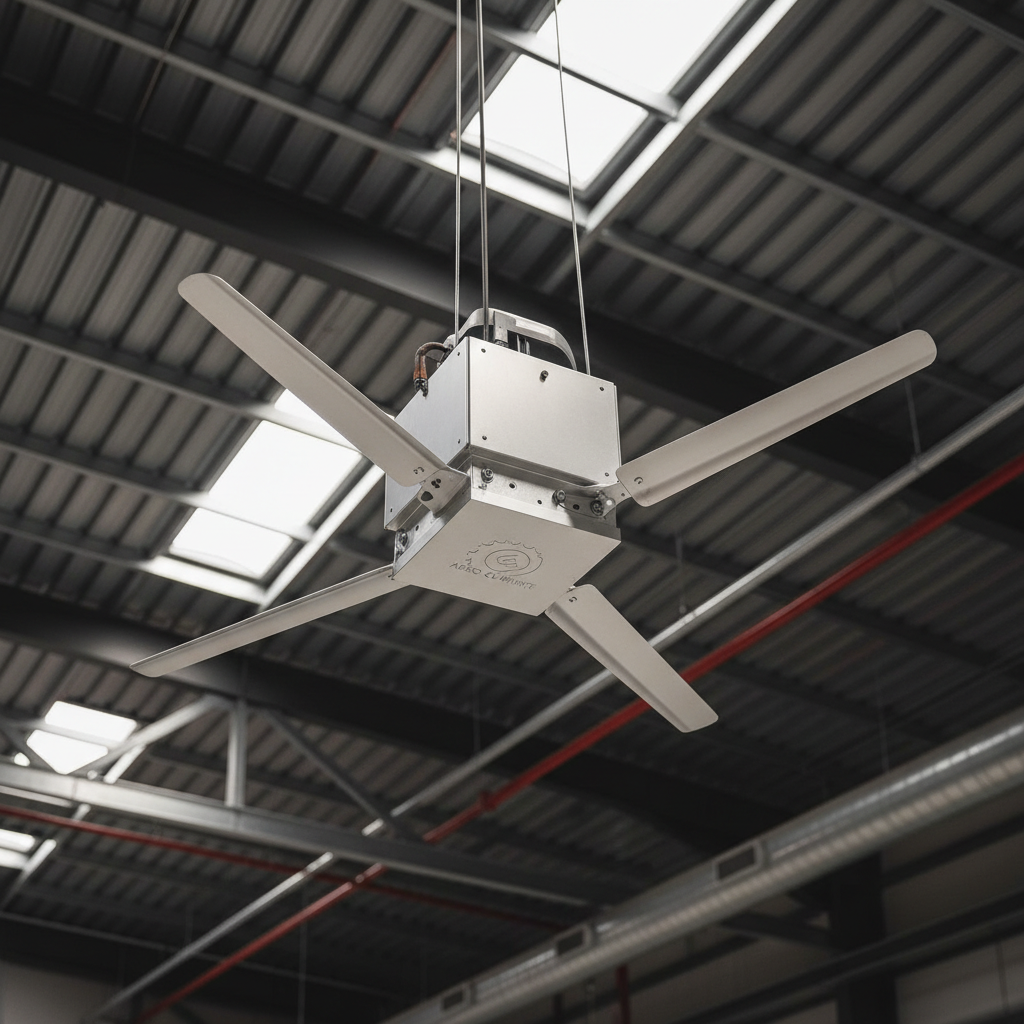
Regular Cleaning and Maintenance
Dusting and Cleaning Blades
One of the simplest ways to maintain your ceiling fan is by regularly cleaning the blades. Dust and dirt can accumulate quickly, especially in humid environments, which can cause the fan to wobble and operate inefficiently.
Use a microfiber cloth or a gentle cleaning solution to wipe down the blades. Regular cleaning not only improves performance but also enhances air quality in your home.
Inspecting and Tightening Screws
Due to constant operation, the screws and fixtures on your ceiling fan can become loose. In a humid climate, this can be expedited by the expansion and contraction of materials. Periodically check and tighten all screws to ensure the fan remains secure and stable.
Dealing with Rust and Corrosion
Humidity can lead to rust on metallic parts of the ceiling fan. To prevent this, consider applying a protective coating or using rust-resistant materials. If rust has already formed, gently sand the affected area and apply a rust-inhibiting primer.
Balancing the Blades
Imbalanced blades can cause wobbling, which is not only annoying but can also damage the fan over time. In humid climates, moisture can cause blades to warp, leading to imbalance. Use a blade balancing kit to correct any issues, ensuring smooth and quiet operation.
Choosing the Right Fan for Humid Climates
When selecting a ceiling fan for a humid environment, consider materials that are less susceptible to moisture damage. Fans with stainless steel or plastic components are typically more durable in such conditions.
Utilizing Anti-Humidity Features
Some modern ceiling fans come with features specifically designed for humid climates. Look for models with sealed motors or moisture-resistant finishes. These features can significantly extend the life of your fan by protecting it from humidity-related damage.
Professional Maintenance and Inspection
While regular DIY maintenance is beneficial, having your ceiling fan professionally inspected at least once a year can help identify and address potential issues before they become serious problems. Professionals can offer expert advice tailored to your specific climate conditions.
Conclusion
Maintaining a ceiling fan in a humid climate requires consistent care and attention. By following the expert tips outlined above, you can ensure your fan remains efficient and long-lasting, providing comfort and relief in even the stickiest of climates.