
Debunking Myths About 學校清潔: What Really Matters


Understanding the Importance of School Cleaning
School cleaning is an essential part of maintaining a healthy and conducive learning environment. However, several myths surround this topic, often leading to misconceptions about what truly matters. This post aims to debunk these myths and shed light on the realities of effective school cleaning practices.
Myth 1: Cleaning and Disinfecting Are the Same
One of the most common myths is that cleaning and disinfecting are interchangeable. In reality, cleaning involves removing dirt and impurities from surfaces, while disinfecting involves using chemicals to kill germs. Both processes are crucial, but they serve different purposes and should be part of a comprehensive approach.
Myth 2: Daily Cleaning Is Unnecessary
Another misconception is that daily cleaning is excessive. On the contrary, regular cleaning is vital to prevent the buildup of germs and allergens. Schools are high-traffic areas, and maintaining cleanliness can significantly reduce the spread of illnesses among students and staff.
The Role of Proper Equipment and Techniques
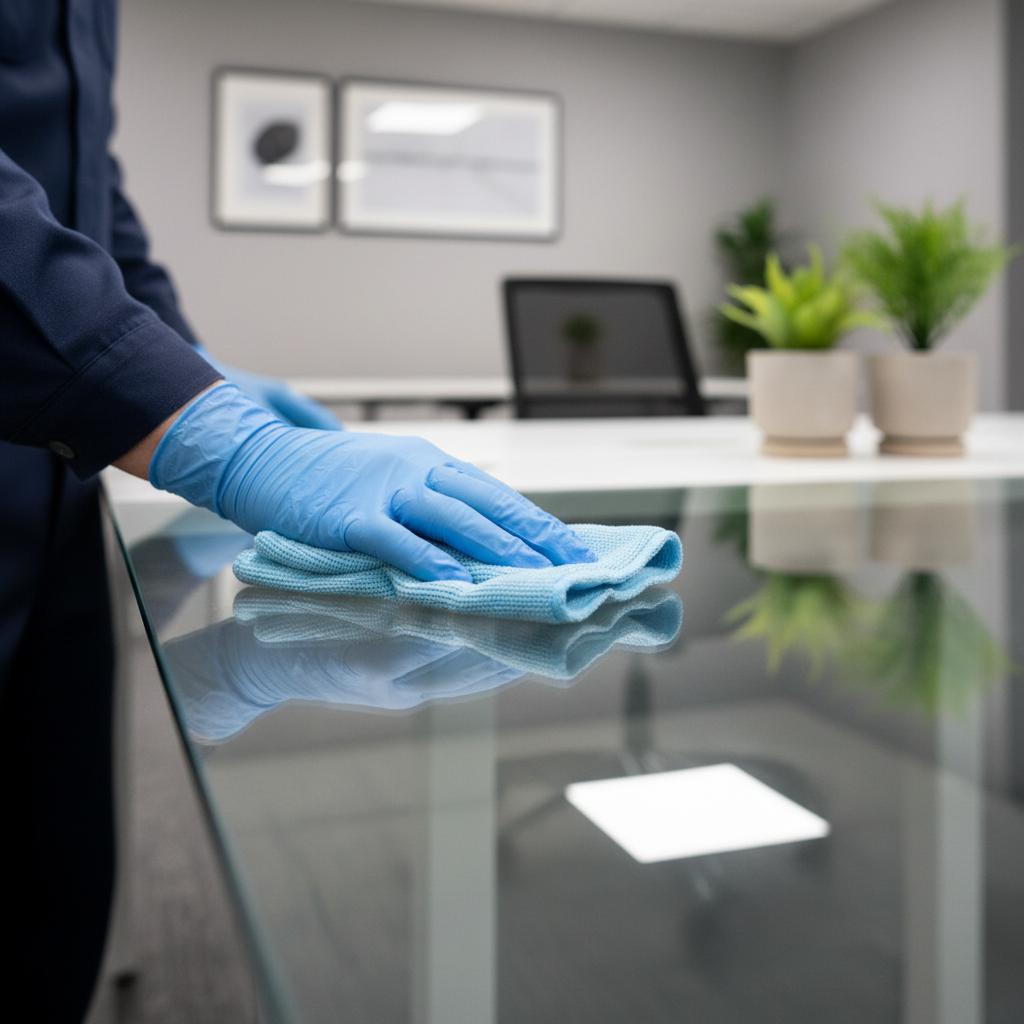
Effective school cleaning goes beyond just using soap and water. It requires the right equipment and techniques to ensure thoroughness and efficiency. Investing in modern cleaning tools and training staff in proper methods can make a significant difference.
Myth 3: All Cleaning Products Are Created Equal
Not all cleaning products are the same. Some may contain harsh chemicals that can be harmful to children or the environment. It's essential to choose eco-friendly and non-toxic products that ensure safety while maintaining hygiene.
Myth 4: Cleaning Is Solely the Custodial Staff's Responsibility
While custodial staff play a crucial role, keeping a school clean is a collective responsibility. Encouraging students and teachers to maintain cleanliness in their areas can foster a culture of hygiene and respect for shared spaces.
Implementing Effective Cleaning Strategies
Schools should adopt a proactive approach by implementing comprehensive cleaning strategies. This includes scheduling regular deep cleans, focusing on high-touch areas, and adapting to seasonal challenges like flu outbreaks.
Myth 5: Ventilation Has No Impact on Cleanliness
Proper ventilation is often overlooked but is a key component of effective cleaning. Good air circulation helps reduce indoor pollutants and supports a healthier environment. Ensuring that ventilation systems are well-maintained can enhance overall school cleanliness.
By understanding and addressing these myths, schools can improve their cleaning practices and create a safer, healthier environment for everyone. It's not just about appearances; it's about fostering an atmosphere where learning can thrive without the distraction of health concerns.