
Debunking Common Myths About Kitchen Cleaning


Introduction
Kitchen cleaning is a task that often feels daunting, and with the abundance of advice out there, it's easy to fall prey to various myths. These misconceptions can lead to inefficient cleaning practices, wasted time, and even damage to your kitchen surfaces. In this post, we'll debunk some common kitchen cleaning myths to help you achieve a sparkling clean kitchen efficiently.
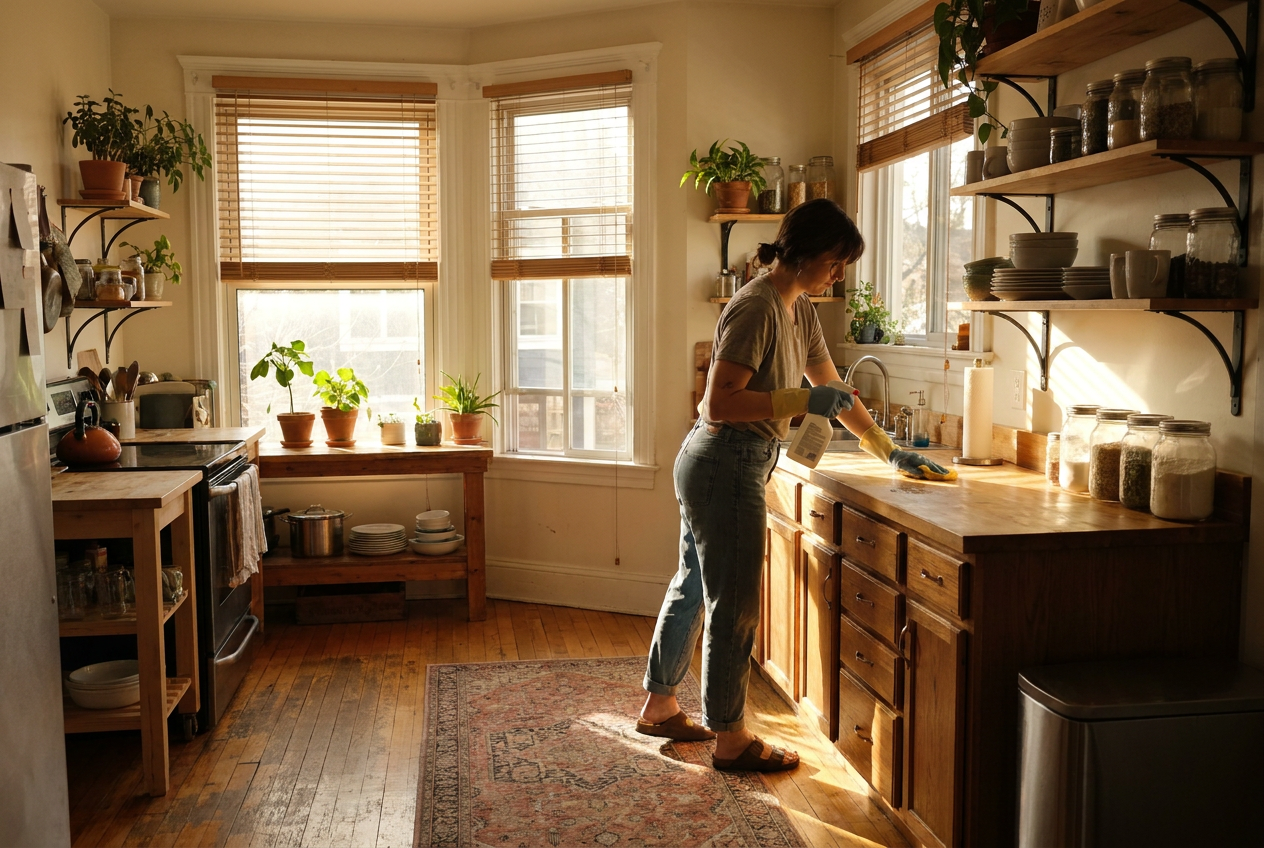
Myth 1: More Detergent Equals Better Cleaning
One of the most widespread myths is that using more detergent will result in a cleaner kitchen. However, this is not the case. Excess detergent can leave residue on your surfaces, making them appear dull and sticky. Instead, use the recommended amount and ensure you rinse thoroughly for the best results.
Why Less is More
Using the right amount of detergent not only saves money but also protects your surfaces from potential harm caused by residue buildup. It's essential to follow the manufacturer's instructions for optimal cleaning.
Myth 2: Vinegar Cleans Everything
While vinegar is a fantastic natural cleaner, it's not suitable for every surface. Many people believe it can be used universally, but vinegar is acidic and can damage stone surfaces like granite and marble. It’s crucial to know where and how to use vinegar effectively.
Alternatives to Vinegar
For stone surfaces, consider using a pH-neutral cleaner specifically designed for those materials. This will ensure that your countertops remain in pristine condition without the risk of etching or dulling.
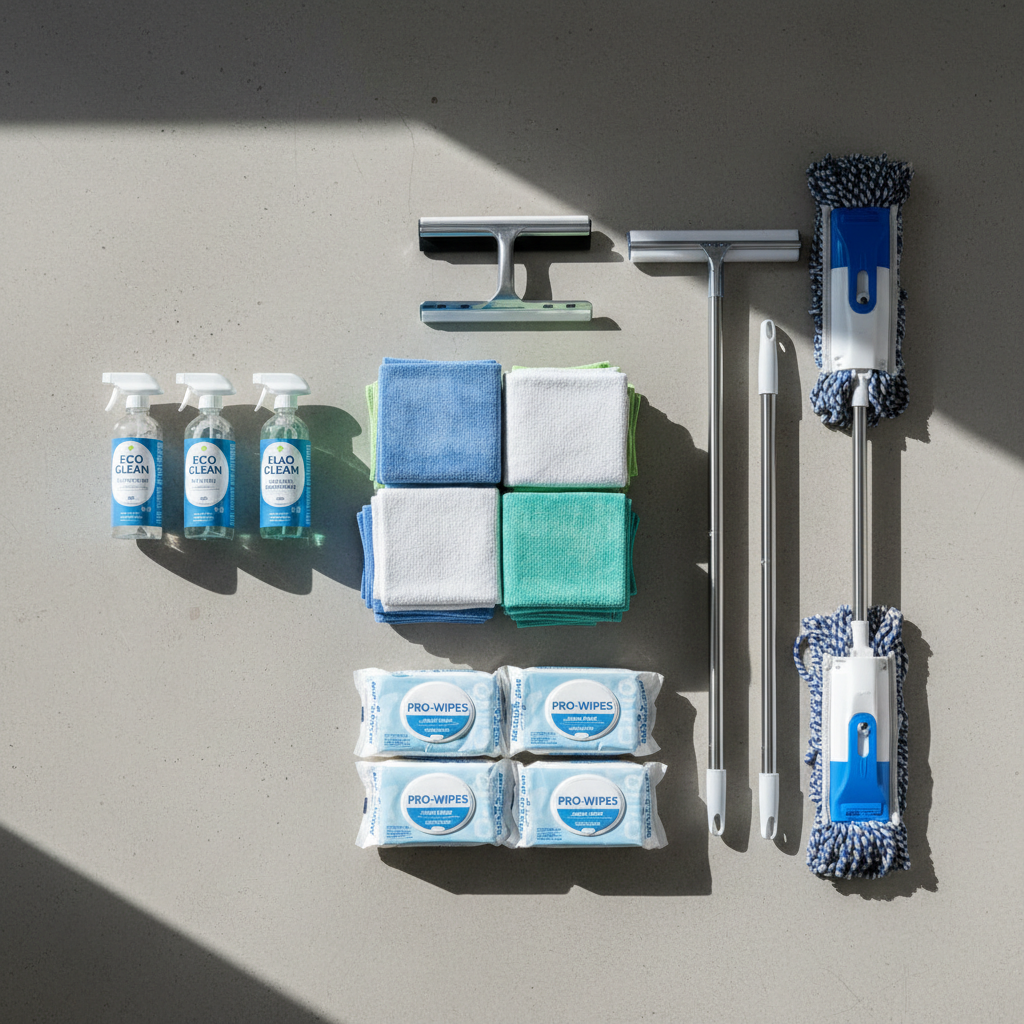
Myth 3: Bleach is the Best Disinfectant
Bleach is often seen as the ultimate disinfectant, but it's not always the best choice for all surfaces. Bleach can be too harsh and may damage certain materials. Additionally, it can create harmful fumes if mixed with other cleaners.
Safer Alternatives
For everyday disinfecting, consider using hydrogen peroxide or commercial disinfectants that are less harsh and specifically formulated for kitchen use. These options provide effective germ-killing power without the risks associated with bleach.
Myth 4: Wood Surfaces Can't Get Wet
It's a common belief that wooden surfaces must always stay dry. While excessive moisture can damage wood, occasional cleaning with a damp cloth is perfectly safe. The key is to ensure the wood is dried thoroughly afterward to prevent warping or damage.
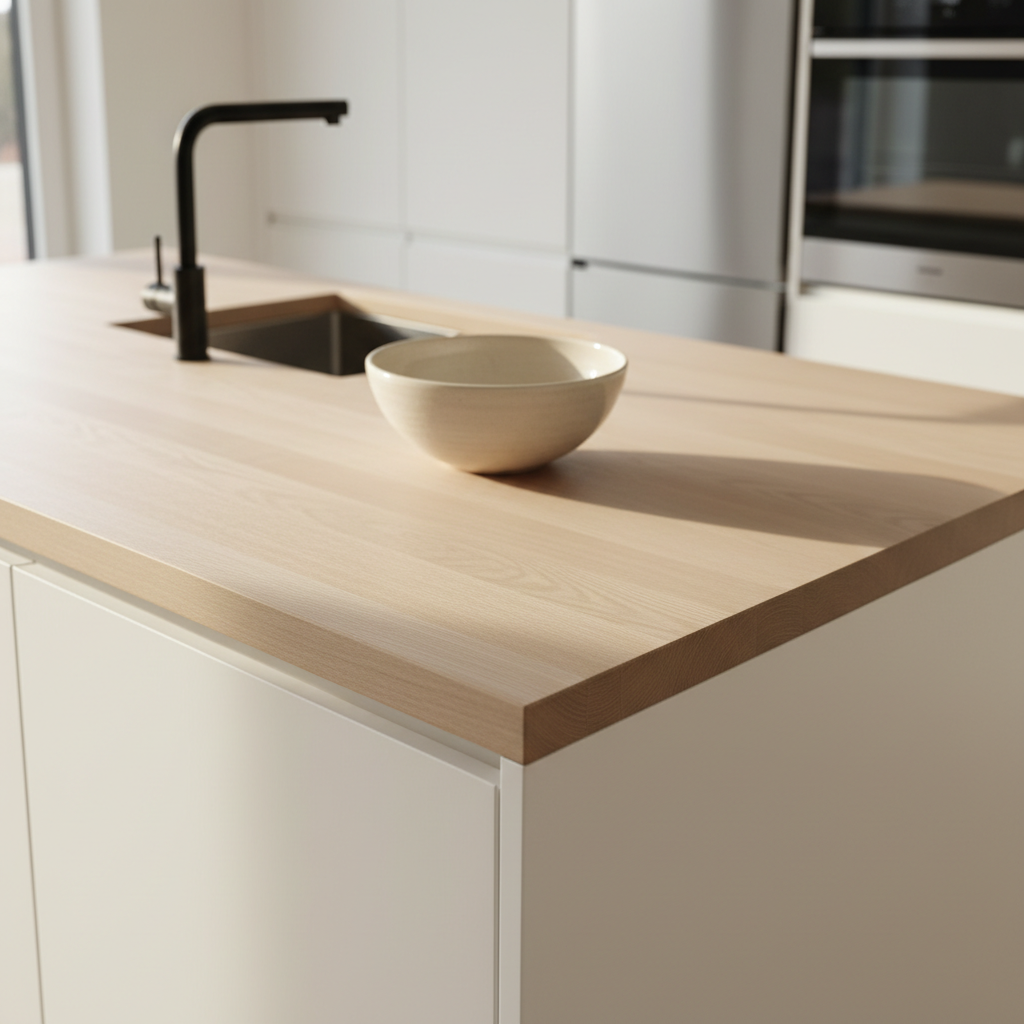
Proper Care for Wood
Use a gentle soap and water solution for routine cleaning, and apply a wood conditioner periodically to maintain the surface's integrity and appearance. This approach will keep your wooden surfaces looking beautiful and lasting longer.
Conclusion
Understanding the reality behind these kitchen cleaning myths can transform your cleaning routine. By using the appropriate products and methods, you can maintain a clean, safe, and welcoming kitchen environment. Remember, effective cleaning is about quality, not quantity—so choose your products wisely and clean smartly!