
Creating a Sustainable Cleaning Routine in Schools: A Practical Guide


Understanding the Importance of Sustainability in School Cleaning
Creating a sustainable cleaning routine in schools is crucial for maintaining a healthy learning environment while being mindful of ecological impacts. Schools are high-traffic areas where cleanliness is paramount, yet traditional cleaning methods often involve harsh chemicals that can be harmful to both the environment and students. By adopting sustainable practices, schools can ensure the well-being of students and staff while reducing their carbon footprint.
Sustainable cleaning involves using products and methods that are environmentally friendly and effective. This not only helps in maintaining cleanliness but also promotes a culture of sustainability among students. Educators can use this opportunity to teach students about the importance of eco-friendly practices, fostering a sense of responsibility towards the environment.
Choosing Eco-Friendly Cleaning Products
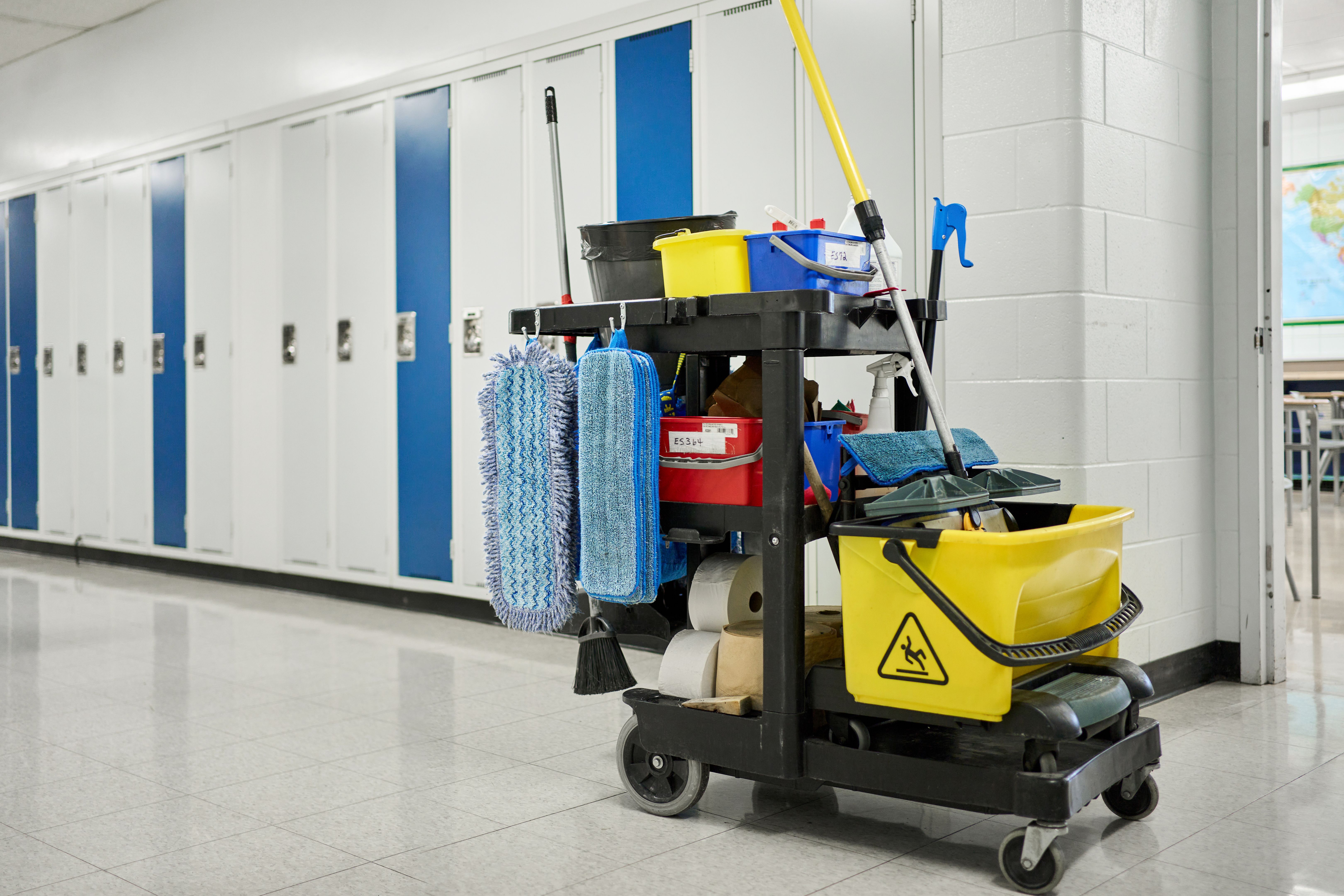
A major component of sustainable cleaning is the selection of eco-friendly cleaning products. These products are free from toxic chemicals and are biodegradable, ensuring they do not harm the environment. When selecting cleaning supplies, look for products with certifications such as Green Seal or EPA Safer Choice, which indicate they meet rigorous environmental standards.
Moreover, using concentrated cleaning products can reduce packaging waste. Schools can purchase these concentrates and dilute them on-site, which not only cuts down on plastic waste but also reduces transportation emissions. This practice can significantly contribute to a more sustainable cleaning routine.
Implementing Efficient Cleaning Practices
Efficiency is key to a sustainable cleaning routine. Schools can implement practices such as using microfiber cloths instead of disposable wipes, which reduces waste. Microfiber cloths are highly effective for cleaning and can be washed and reused multiple times, making them both economical and environmentally friendly.
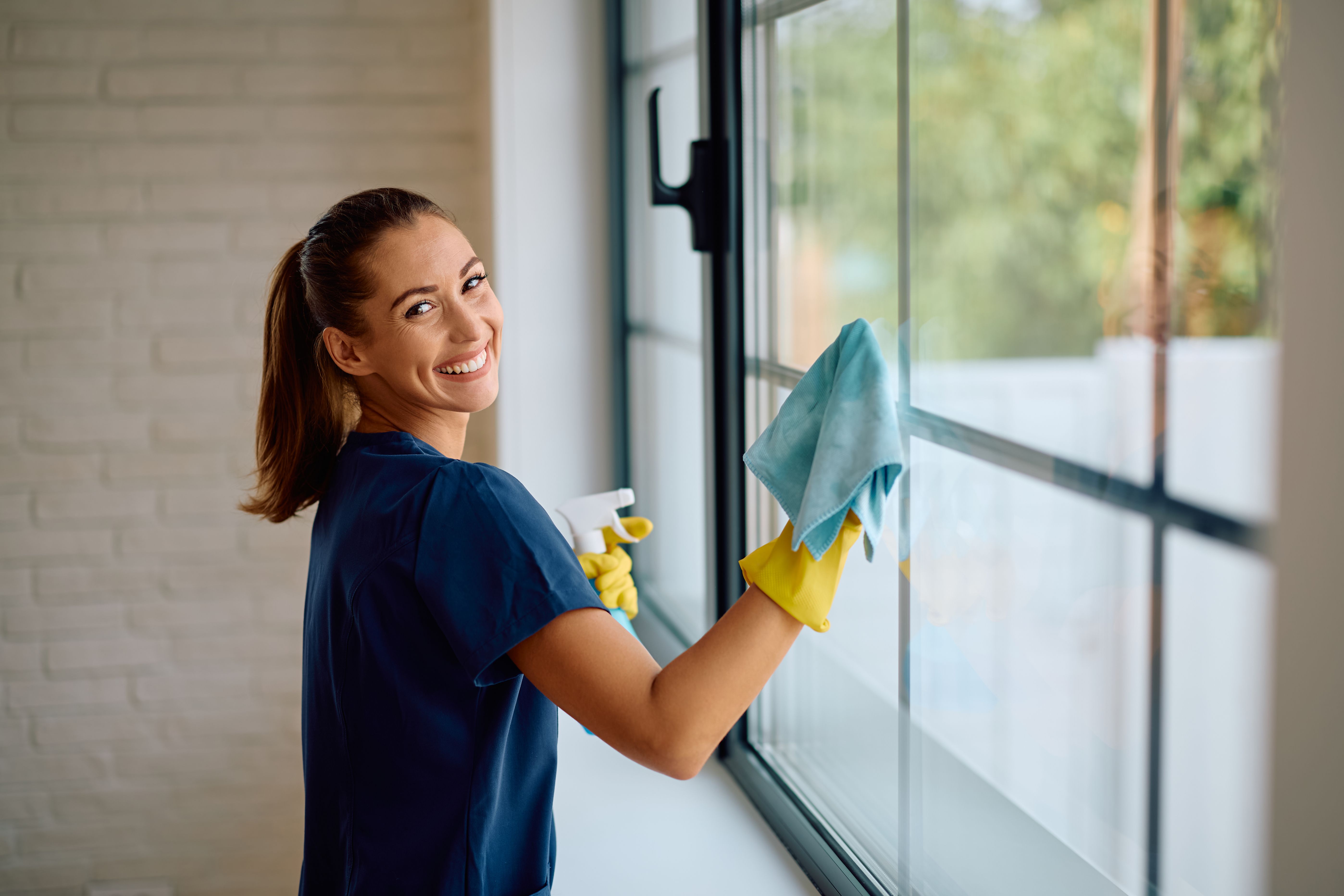
Another efficient practice is to schedule cleaning during off-peak hours to minimize disruption and optimize energy use. By cleaning classrooms and facilities when they are empty, schools can ensure thorough cleaning while conserving energy used for lighting and heating.
Engaging the School Community
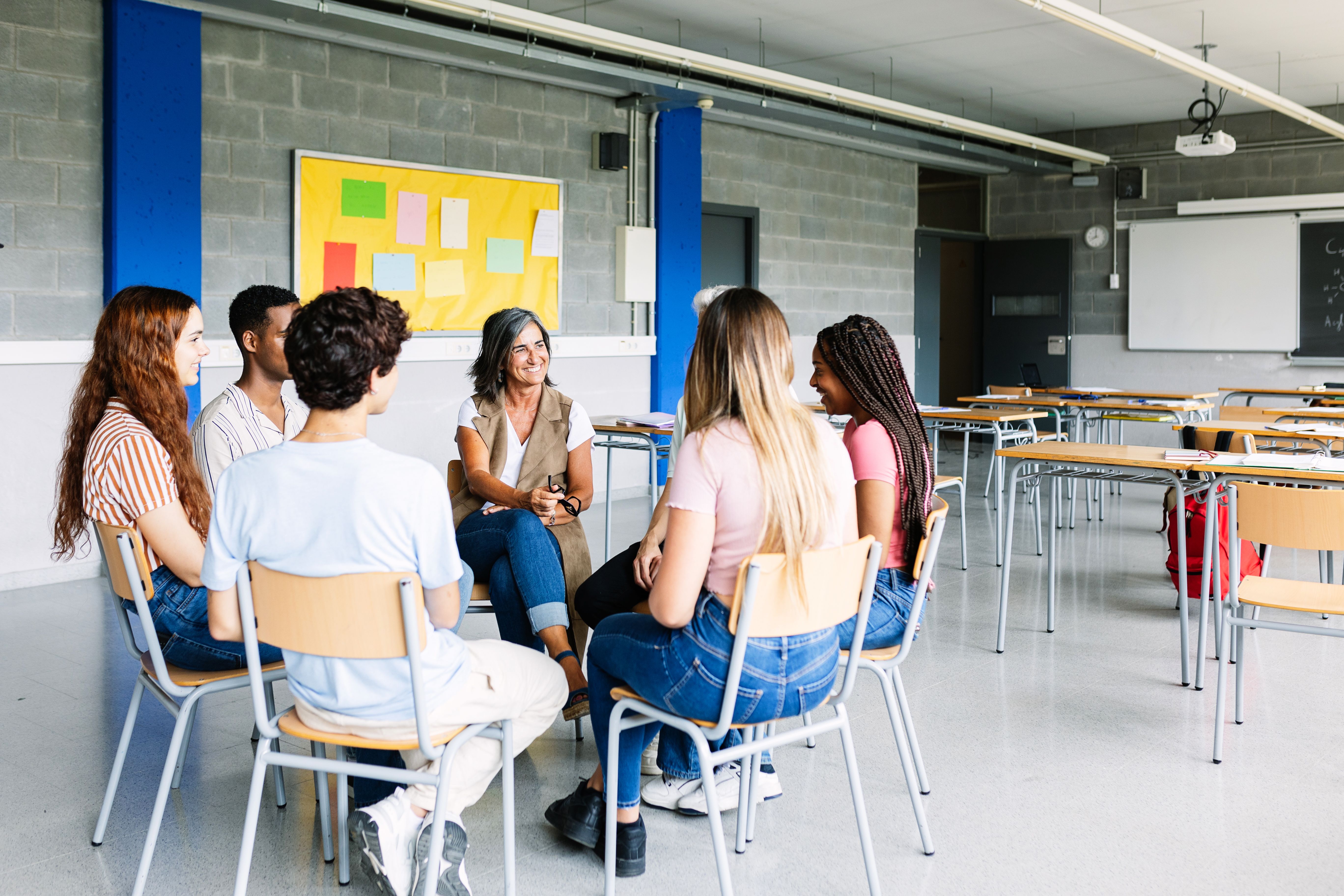
Creating a sustainable cleaning routine requires the involvement of the entire school community. Educating students, teachers, and staff about sustainable practices can lead to collective action. Schools can organize workshops and campaigns to highlight the importance of sustainability, encouraging everyone to contribute to maintaining a clean and green environment.
In addition, involving students in the cleaning process can instill a sense of responsibility and pride in maintaining their learning spaces. Simple tasks like organizing recycling drives or maintaining school gardens can reinforce the importance of sustainability in everyday activities.
Monitoring and Improving the Routine
Regularly evaluating the effectiveness of the cleaning routine is essential for continuous improvement. Schools should establish metrics to assess the impact of their sustainable practices, such as reduced waste or lower energy consumption. Gathering feedback from the school community can also provide insights into areas that may need adjustment.
By staying informed about new sustainable products and practices, schools can adapt and enhance their routines. Continuous improvement not only maintains high standards of cleanliness but also strengthens the school's commitment to sustainability.