
課室清潔 Essentials: Creating a Healthy Learning Environment


Introduction to Classroom Cleanliness
Creating a healthy learning environment is essential for the well-being and academic success of students. One of the key components of such an environment is maintaining a clean classroom. Regular cleaning not only enhances the physical appearance of the classroom but also reduces the risk of illness and promotes better focus and concentration among students.
Importance of Regular Cleaning
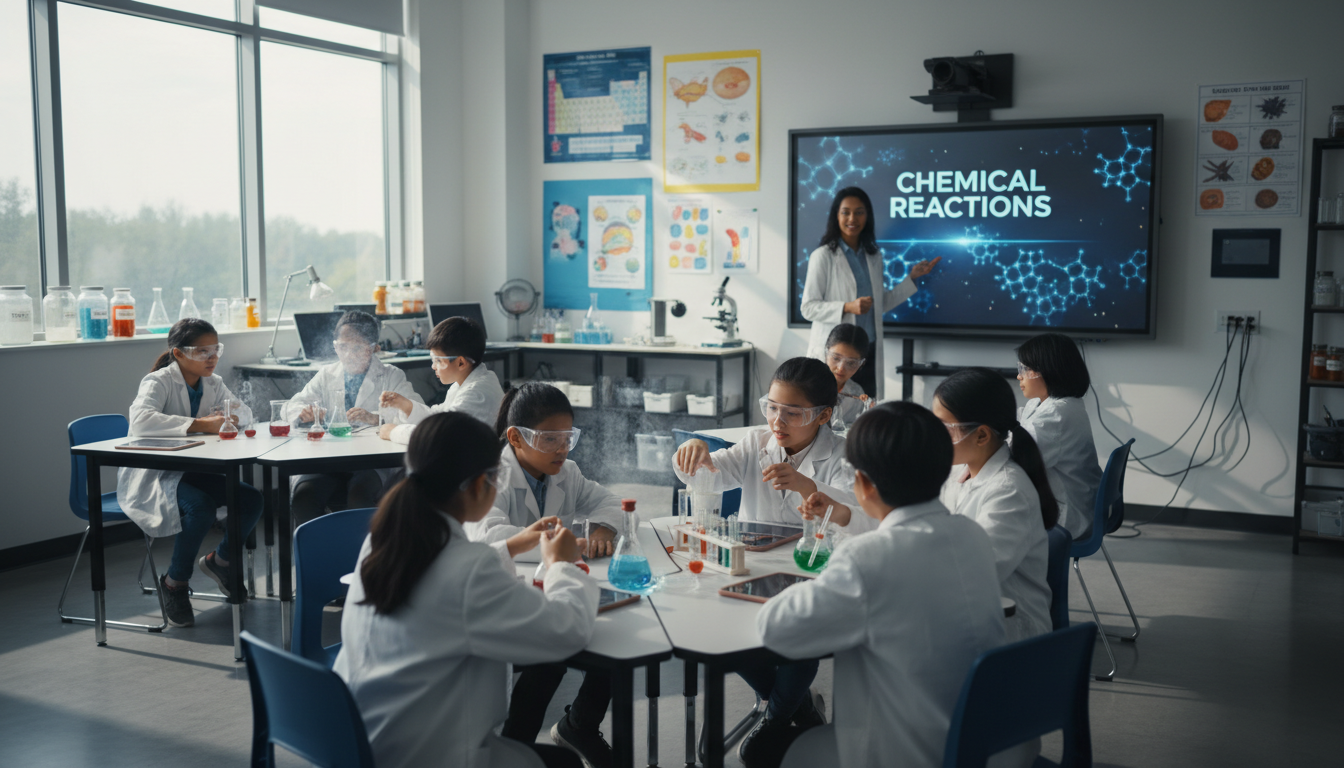
Classroom cleanliness is crucial for a variety of reasons. A clean environment minimizes the spread of germs and allergens, which are common triggers for illnesses. By maintaining regular cleaning schedules, schools can significantly reduce absenteeism among students and staff, leading to improved educational outcomes.
Moreover, a clean classroom fosters a positive atmosphere that encourages students to take pride in their learning space. When students see that their environment is valued, they are more likely to respect it and contribute to its upkeep.
Health Benefits
Maintaining a clean classroom has numerous health benefits. Regular cleaning reduces the presence of dust, mold, and other allergens, decreasing the chances of respiratory issues among students and teachers. Furthermore, disinfecting surfaces can help prevent the spread of viruses and bacteria, ensuring a healthier school community.
Essential Cleaning Practices
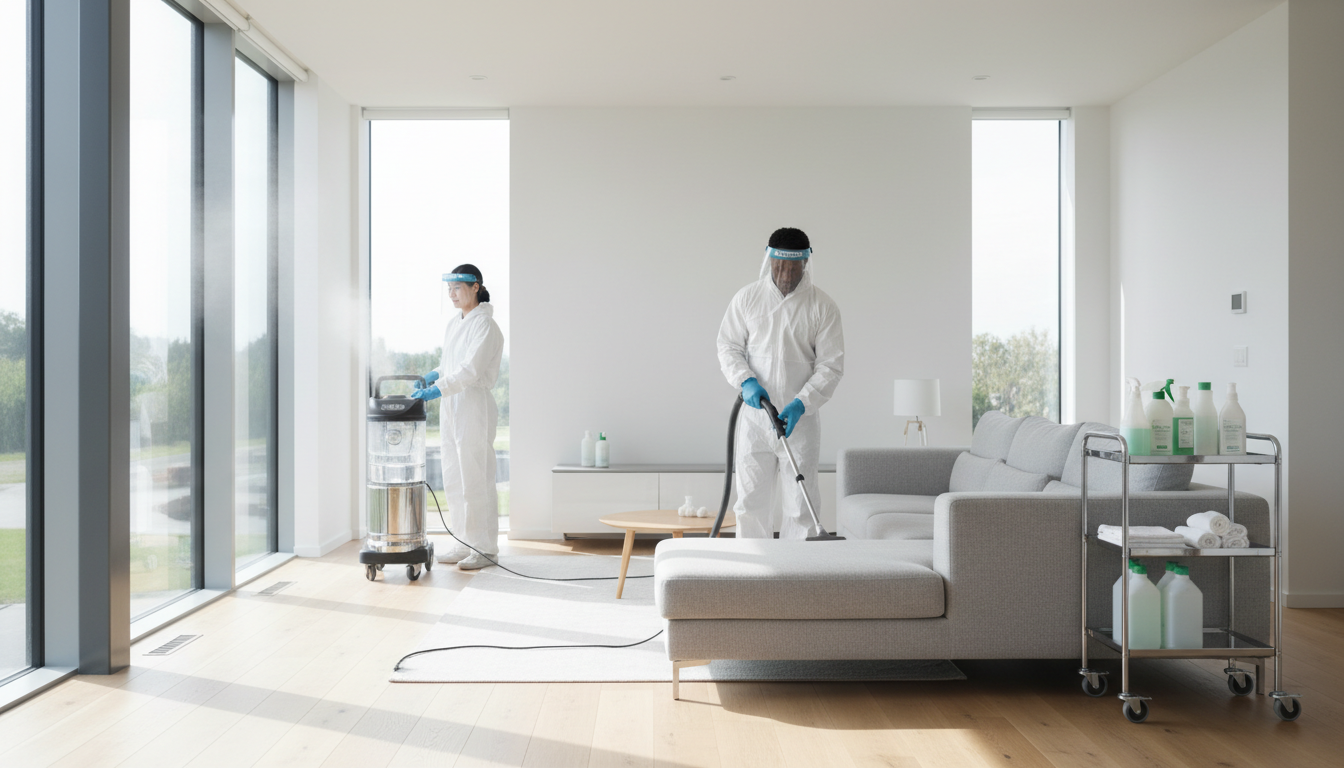
To ensure a thorough cleaning routine, certain practices should be implemented consistently. Here are some essential cleaning practices for classrooms:
- Daily Cleaning: Wipe down desks, chairs, and frequently touched surfaces to prevent the accumulation of dirt and germs.
- Floors: Sweep and mop floors daily to remove dust and debris.
- Trash Disposal: Empty trash bins regularly to avoid unpleasant odors and pest infestations.
Deep Cleaning Strategies
In addition to daily cleaning, schools should schedule regular deep cleaning sessions. This includes cleaning windows, sanitizing carpets, and organizing storage areas. Deep cleaning ensures that areas that are often overlooked receive the attention they need to remain hygienic.

Involving Students in Cleanliness
Encouraging students to participate in maintaining classroom cleanliness can foster a sense of responsibility and community. Simple tasks like organizing bookshelves, wiping down desks, or tidying up materials can be incorporated into daily routines.
By involving students, teachers can instill valuable life skills and emphasize the importance of cleanliness in everyday life. This not only benefits the classroom environment but also prepares students for future responsibilities.
Conclusion
Creating a healthy learning environment through effective classroom cleaning practices is vital for the well-being and success of students. By prioritizing cleanliness, schools can enhance academic performance, reduce absenteeism, and foster a positive atmosphere that encourages learning and growth. With regular cleaning schedules and the involvement of students, maintaining a pristine classroom becomes a collaborative effort, benefiting everyone involved.