
幼稚園清潔: Ensuring a Healthy Environment for Young Learners


Introduction to Kindergarten Cleanliness
Creating a clean and healthy environment in kindergartens is crucial for the well-being of young learners. As children explore and learn, they are naturally curious and often come into contact with various surfaces and objects. Ensuring these areas are clean helps prevent the spread of germs and supports a safe learning space.
Maintaining cleanliness in kindergartens requires a comprehensive approach that involves regular cleaning, sanitization, and hygiene education. By implementing effective strategies, kindergartens can promote a healthier environment for children and staff alike.

Daily Cleaning Routines
Consistent daily cleaning routines are essential to keep kindergartens spotless and hygienic. These routines should include:
- Cleaning and disinfecting frequently touched surfaces like doorknobs, tables, and toys.
- Vacuuming and mopping floors to remove dirt and allergens.
- Ensuring bathrooms are sanitized regularly to prevent the spread of germs.
By establishing a regular cleaning schedule, kindergartens can ensure that all areas are consistently maintained, reducing the risk of illness among children and staff.
Importance of Hygiene Education
Educating children about hygiene is a vital part of maintaining a clean kindergarten environment. Teaching children simple habits such as washing hands properly, covering their mouths when coughing, and using tissues can significantly reduce the spread of germs.
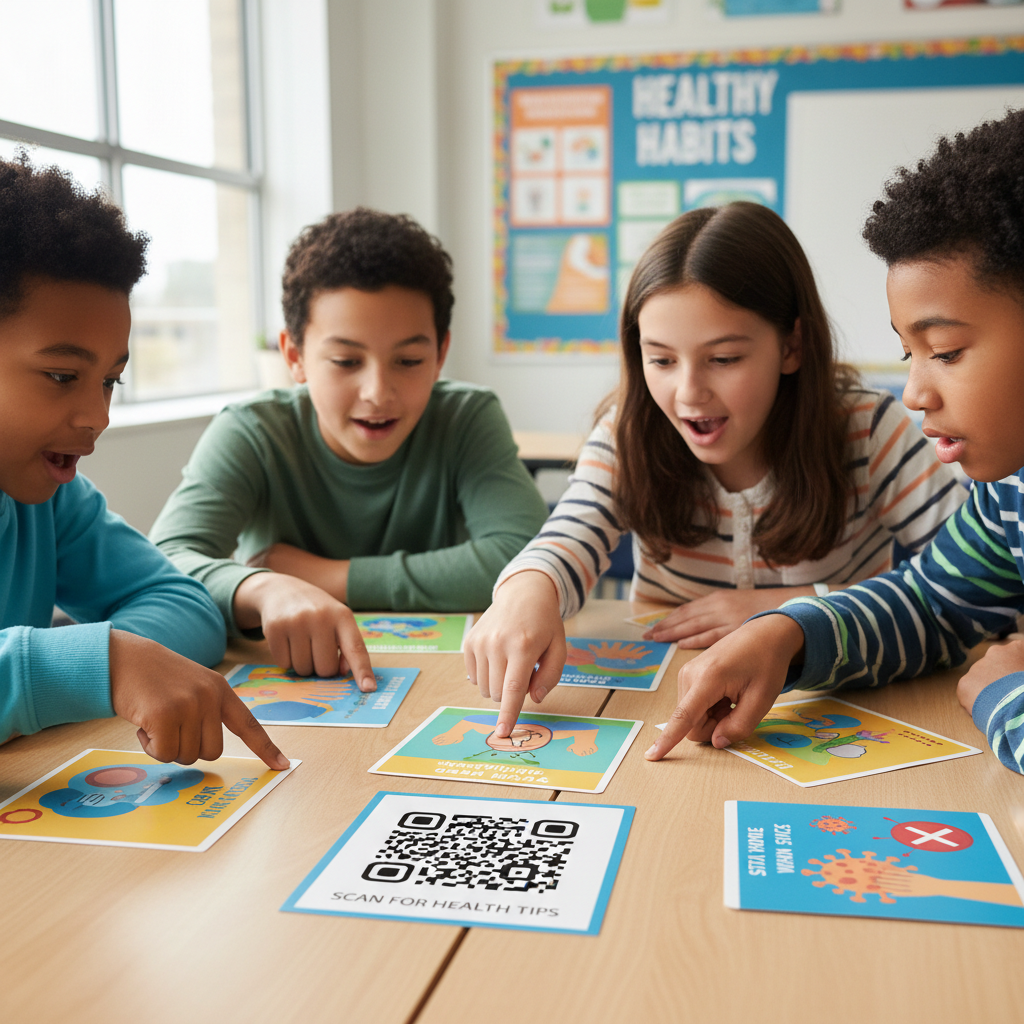
Incorporating fun and interactive activities can help reinforce these habits. Storytelling, songs, and games about hygiene can make learning about cleanliness engaging and memorable for young minds.
Using Eco-Friendly Cleaning Products
Choosing eco-friendly cleaning products is beneficial for both the environment and the health of children. These products typically contain fewer harmful chemicals, reducing the risk of allergic reactions and respiratory issues.
By opting for sustainable cleaning solutions, kindergartens can contribute to environmental conservation while ensuring a safe atmosphere for children to learn and play.

Involving Parents and the Community
Engaging parents and the community in cleanliness efforts can amplify the impact of these initiatives. Schools can organize workshops or send newsletters to inform parents about the importance of maintaining cleanliness at home and in school.
Community involvement can also include volunteer cleaning days or donation drives for cleaning supplies, fostering a sense of shared responsibility and collaboration.

Conclusion
Ensuring a clean and healthy environment in kindergartens is a collaborative effort that requires the commitment of staff, parents, and the community. By implementing effective cleaning routines, educating children about hygiene, choosing eco-friendly products, and engaging the community, kindergartens can create a safe and nurturing space for young learners to thrive.